套路 1
回顾过去疾病负担趋势分析+未来趋势预测
套路精髓:历史数据→找转折点→预测未来→联系政策
回望过去:分析历史数据,识别关键转折点(如政策实施、流行病暴发年份)
展望未来:基于历史规律预测未来疾病负担,支持政策制定
适用场景:慢性病(癌症、糖尿病)、传染病(结核、COVID-19)、伤害(交通事故)等长期趋势明显的健康问题
案例文章
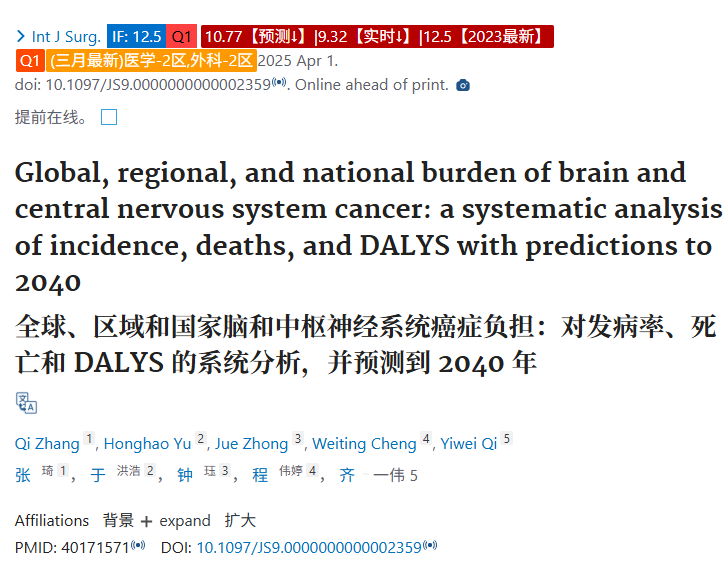
标题:Global, regional, and national burden of brain and central nervous system cancer: a systematic analysis of incidence, deaths, and DALYS with predictions to 2040
期刊:International journal of surgery(IF=12.5)
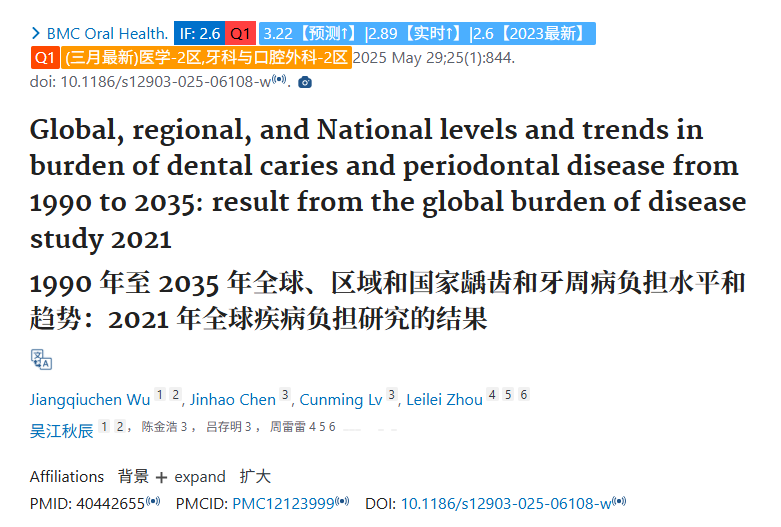
标题:Global, regional, and National levels and trends in burden of dental caries and periodontal disease from 1990 to 2035: result from the global burden of disease study 2021
期刊:BMC oral health(IF=2.6)
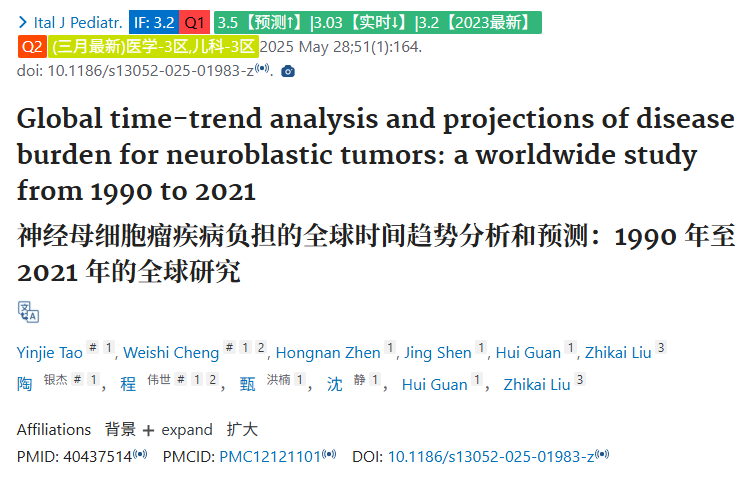
标题:Global time-trend analysis and projections of disease burden for neuroblastic tumors: a worldwide study from 1990 to 2021
期刊:Italian journal of pediatrics(IF=3.2)
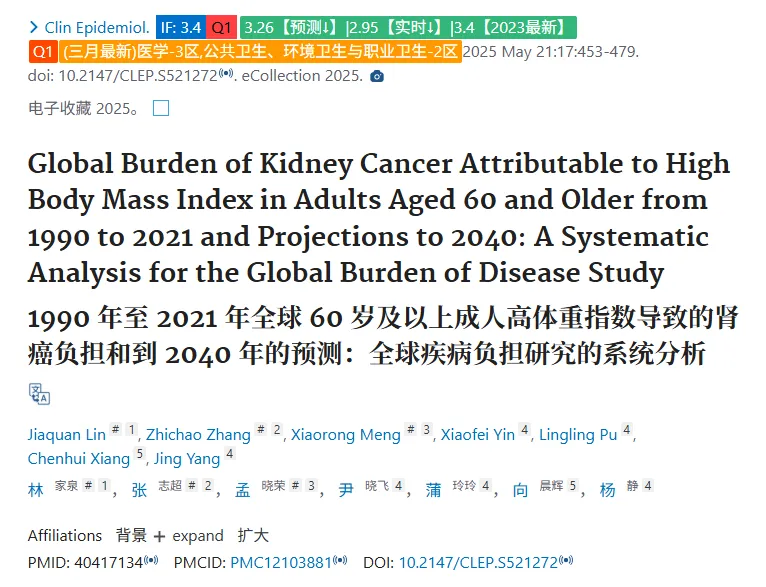
标题:Global Burden of Kidney Cancer Attributable to High Body Mass Index in Adults Aged 60 and Older from 1990 to 2021 and Projections to 2040: A Systematic Analysis for the Global Burden of Disease Study
期刊:Clinical epidemiology(IF=3.4)
总结:
使用GBD数据库的开放数据,可以分析全球范围内不同年龄和性别群体的疾病负担的动态描述,揭示疾病分布的时空差异及其影响因素。Joinpoint回归分析计算年度百分比变化(APC)和平均APC(AAPC),识别疾病负担(如发病率、死亡率)随时间变化的关键转折点,量化不同阶段的趋势强度,从而明确疾病负担的阶段性特征;此外,未来趋势可以通过贝叶斯年龄-时期- cohort模型(BAPC)以及ARIMA模型进行预测,BAPC模型能够解析年龄、时期和队列效应对疾病负担的影响,而ARIMA模型则适用于捕捉时间序列数据的动态依赖关系,为公共卫生政策的制定和资源分配提供科学依据。
套路 2
单独分析某种性别/关注性别差异
套路精髓:聚焦性别差异 → 分析趋势
-
聚焦性别差异,单独分析某一性别(如女性乳腺癌、男性前列腺癌)或对比两性间的疾病负担差异(如心血管疾病、抑郁症);
-
按年龄、地区、时间等维度细分,探索性别差异的潜在影响因素(如生物学、行为、社会文化因素);
-
比较不同性别在发病率、死亡率、伤残调整寿命年(DALY)等指标上的时间变化趋势。
适用场景
案例文章
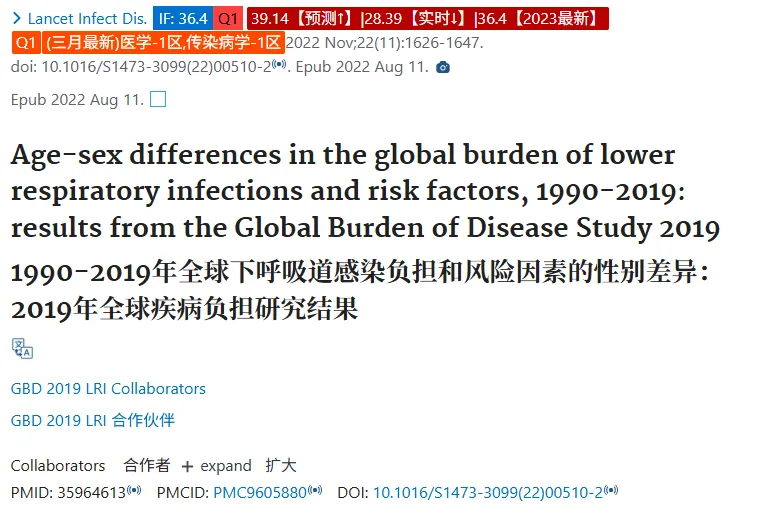
标题:Age-sex differences in the global burden of lower respiratory infections and risk factors, 1990-2019: results from the Global Burden of Disease Study 2019
期刊:Infectious Diseases(IF=36.4)
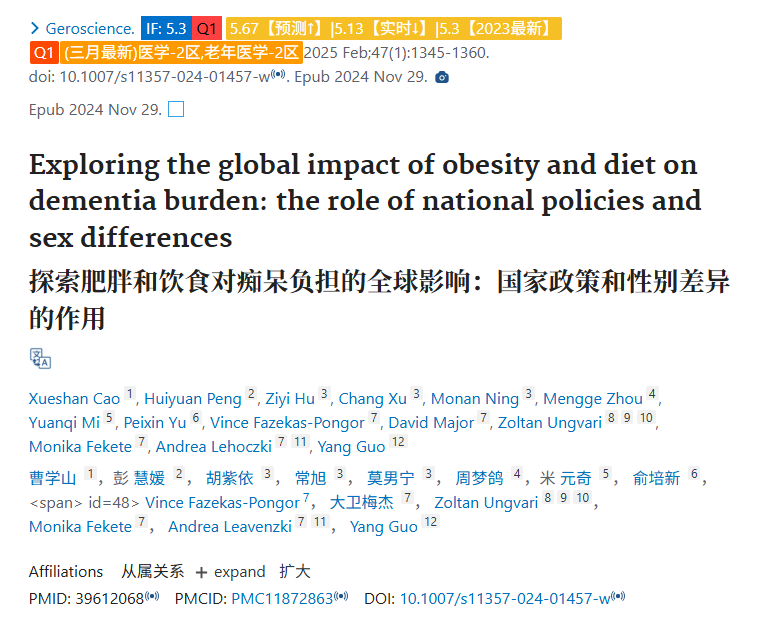
标题:Exploring the global impact of obesity and diet on dementia burden: the role of national policies and sex differences
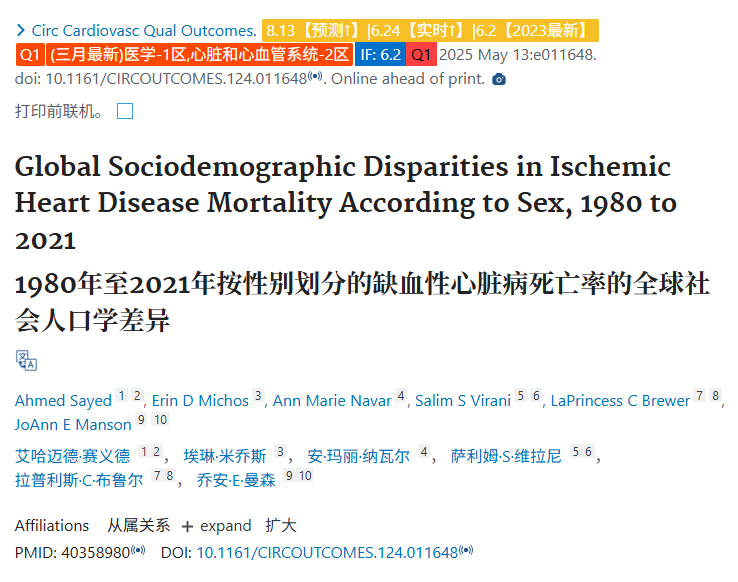
标题:Global Sociodemographic Disparities in Ischemic Heart Disease Mortality According to Sex, 1980 to 2021
期刊:Circulation-Cardiovascular Quality and Outcomes(IF=6.2)
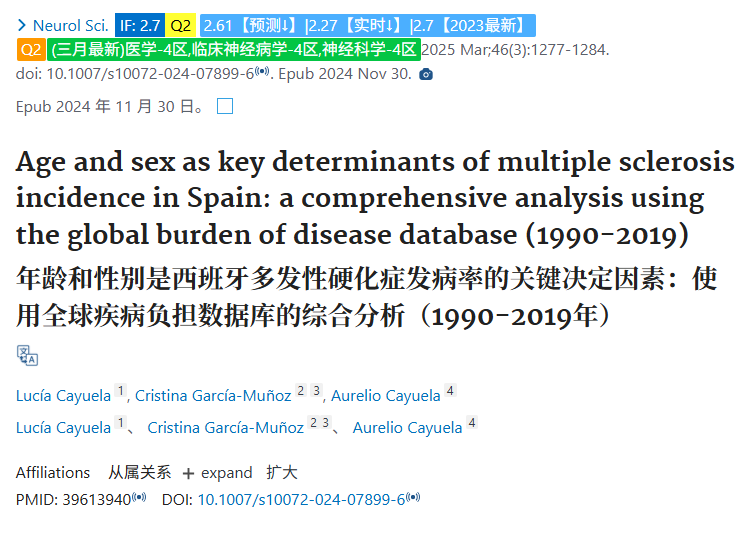
标题:Age and sex as key determinants of multiple sclerosis incidence in Spain: a comprehensive analysis using the global burden of disease database (1990-2019)
期刊:Neurological Sciences(IF=2.7)
总结:
采用年龄-时期-队列(APC)模型来解析不同性别中疾病负担趋势的驱动因素,量化年龄效应(如老龄化)、时期效应(如医疗进步、政策变化)和队列效应(如不同出生代的暴露差异)的独立影响。同时,基于比较风险评估框架,估计关键危险因素(如吸烟、高血压、空气污染等)对疾病负担的独立贡献,并计算了年龄-性别特异性可归因死亡率。此外,通过分解分析(如人口归因分解),将疾病负担的变化拆解为老龄化、人口增长和流行病学趋势(发病率/死亡率变化)的贡献,并进一步探究不同性别间的差异,以揭示生物学和社会因素的相对作用。
套路 3:风险因素
套路精髓:量化风险因素对疾病负担的贡献,识别关键干预靶点。
适用场景:
案例文章
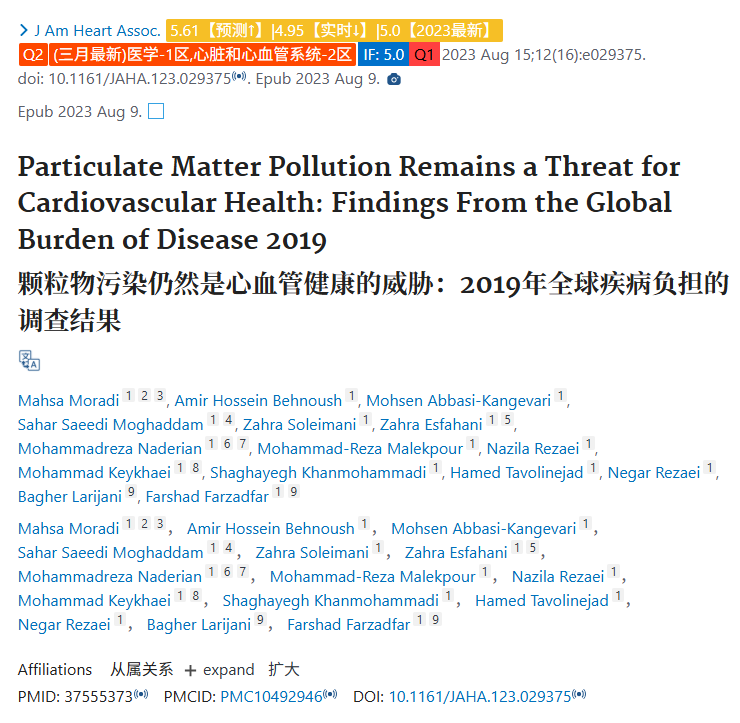
标题:Particulate Matter Pollution Remains a Threat for Cardiovascular Health: Findings From the Global Burden of Disease 2019
期刊:Journal of the American Heart Association(IF=5.0)
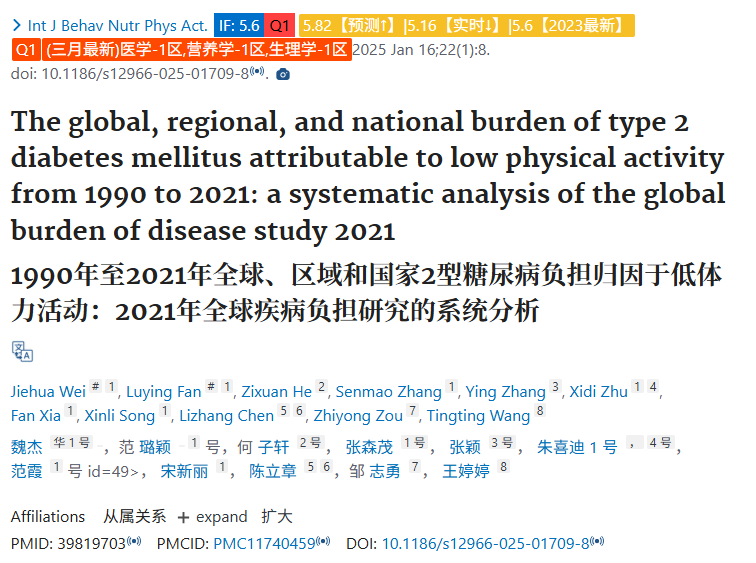
标题:The global, regional, and national burden of type 2 diabetes mellitus attributable to low physical activity from 1990 to 2021: a systematic analysis of the global burden of disease study 2021
期刊:The international journal of behavioral nutrition and physical activity(IF=5.6)
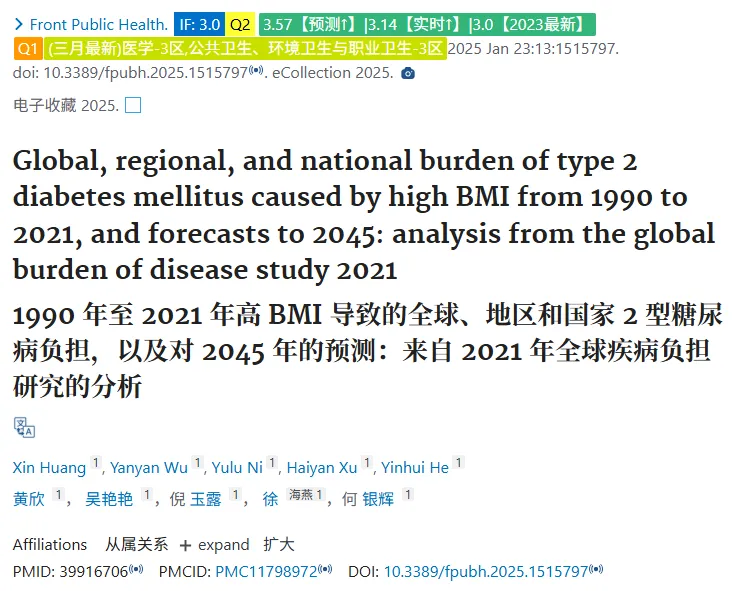
标题:Global, regional, and national burden of type 2 diabetes mellitus caused by high BMI from 1990 to 2021, and forecasts to 2045: analysis from the global burden of disease study 2021
期刊:Frontiers in public health(IF=3.0)
总结:
-
描述性分析可对不同风险因素的DALYs/死亡数占比进行排序比较;
-
结合SDI(社会人口指数)分析风险因素与经济发展水平的关系,分析性别和年龄组间的风险因素差异;
-
双向孟德尔随机化(Mendelian randomization)分析评估危险因素与疾病之间的因果关系。
套路 4:聚焦特殊年龄段
套路精髓:聚焦特定生命周期(儿童、老年、育龄女性等),利用年龄分层数据发现差异化疾病模式。
适用场景
儿童(0-14岁):先天性疾病、传染病等
青壮年(15-49岁):职业暴露、心理健康、交通事故
老年(55+岁):退行性疾病、多病共存、养老相关
案例文章
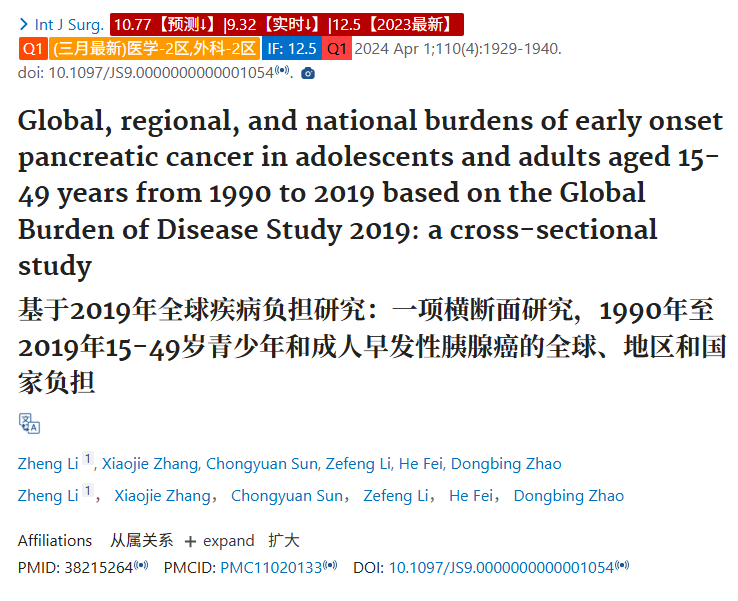
标题:Global, regional, and national burdens of early onset pancreatic cancer in adolescents and adults aged 15-49 years from 1990 to 2019 based on the Global Burden of Disease Study 2019: a cross-sectional study
期刊:International journal of surgery(IF=12.5)
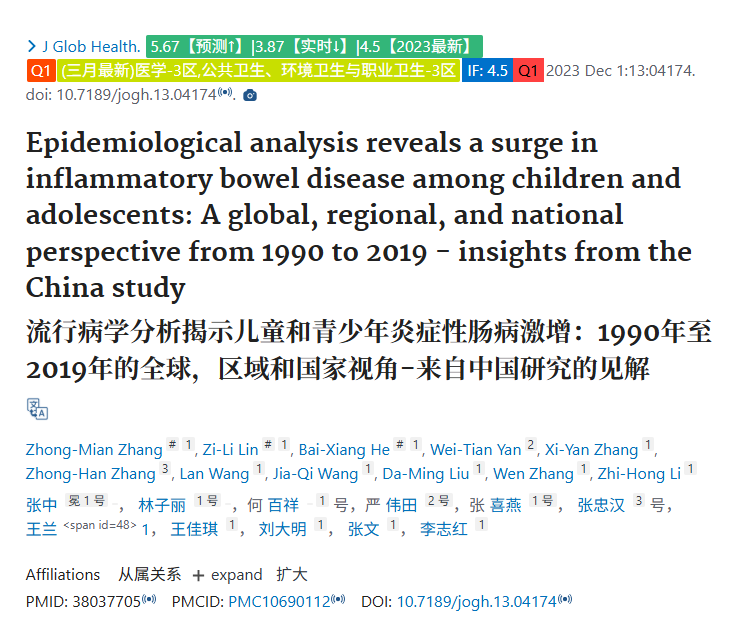
标题:Epidemiological analysis reveals a surge in inflammatory bowel disease among children and adolescents: A global, regional, and national perspective from 1990 to 2019 - insights from the China study
期刊:Journal of global health(IF=3.0)
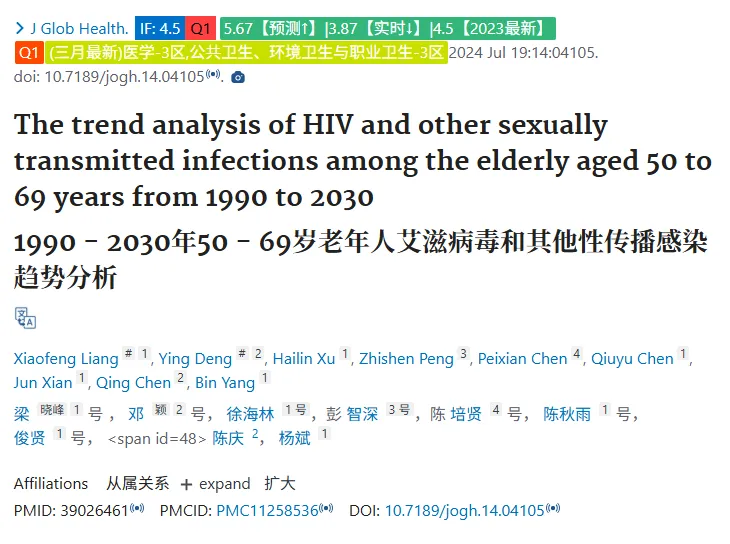
标题:The trend analysis of HIV and other sexually transmitted infections among the elderly aged 50 to 69 years from 1990 to 2030
期刊:Journal of global health(IF=4.5)
总结:
套路 5:聚焦特殊地区研究
套路精髓:利用GBD的地理分层数据(国家/省/州级)识别疾病热点区域或政策盲区。
适用场景:
案例文章
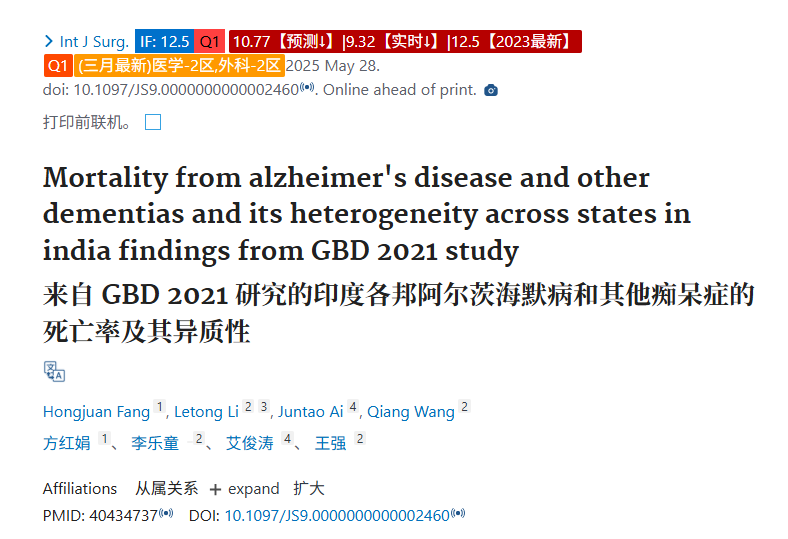
标题:Mortality from alzheimer's disease and other dementias and its heterogeneity across states in india findings from GBD 2021 study
International journal of surgery(IF=12.5)
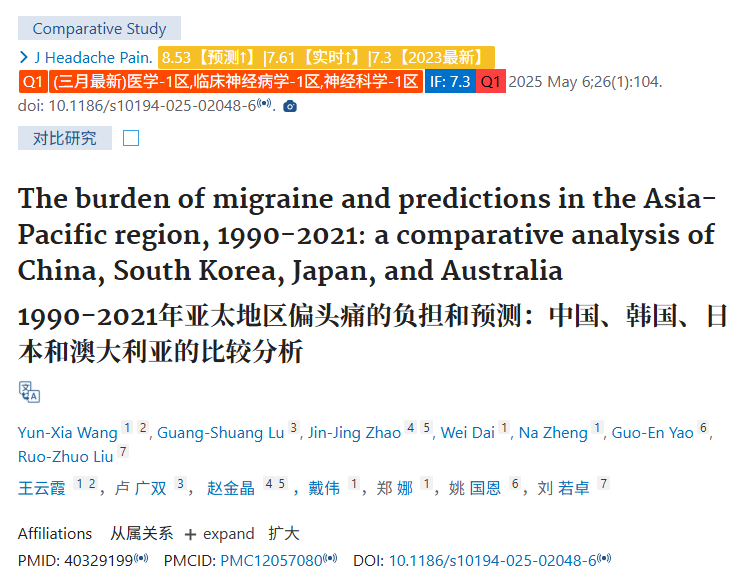
标题:The burden of migraine and predictions in the Asia-Pacific region, 1990-2021: a comparative analysis of China, South Korea, Japan, and Australia
The journal of headache and pain(IF=7.3)
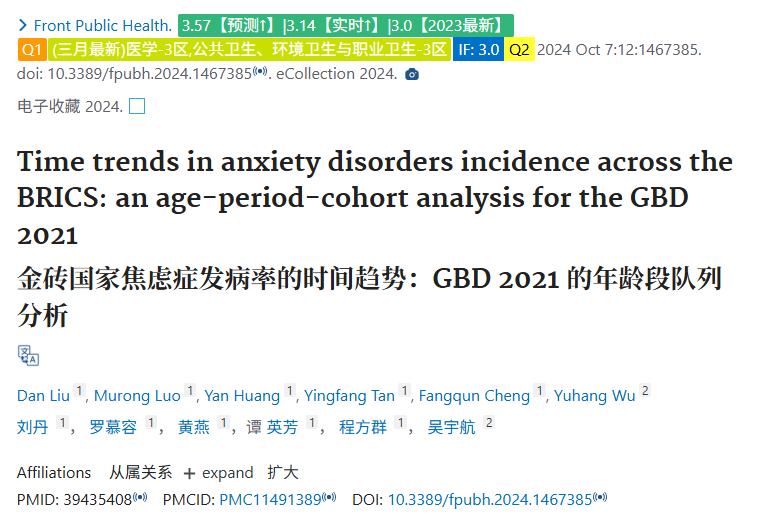
标题:Time trends in anxiety disorders incidence across the BRICS: an age-period-cohort analysis for the GBD 2021
期刊:Frontiers in public health(IF=3.0)
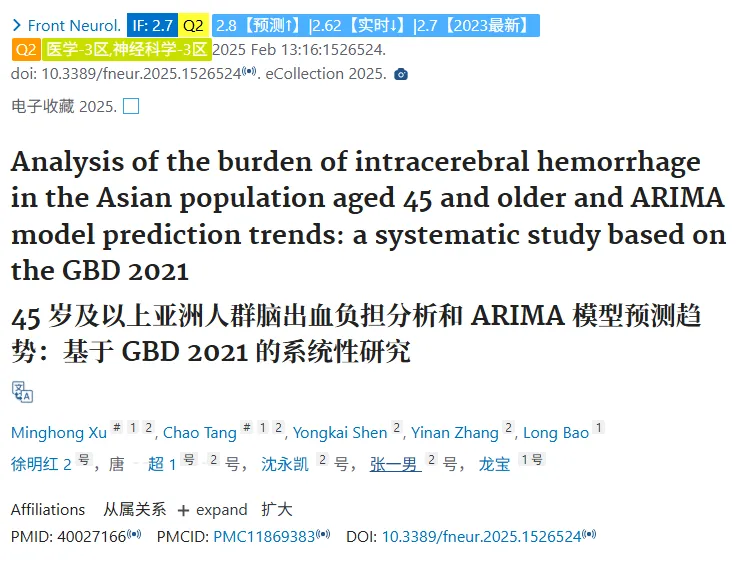
标题:Analysis of the burden of intracerebral hemorrhage in the Asian population aged 45 and older and ARIMA model prediction trends: a systematic study based on the GBD 2021
期刊:Frontiers in neurology(IF=2.7)
总结:
-
地理可视化:展示疾病负担的空间分布,使用 ArcGIS计算空间自相关分析;
-
聚类分析:识别高-低负担聚集区;
-
驱动因素分析:混合效应模型分析地区差异与SDI/医疗资源的相关性;
-
前沿分析:探讨社会人口指数(SDI)与不同国家的疾病负荷和有效差异;
-
健康不平等分析:使用斜率指数和集中指数来衡量疾病负担的跨国不平等。









评论列表